
Why Engineered Sealing Solutions Start Before Manufacturing
A technical approach to material selection, profile geometry, manufacturability, and long-term sealing behavior In technical applications, a sealing profile is not a commodity component. It

A technical approach to material selection, profile geometry, manufacturability, and long-term sealing behavior In technical applications, a sealing profile is not a commodity component. It
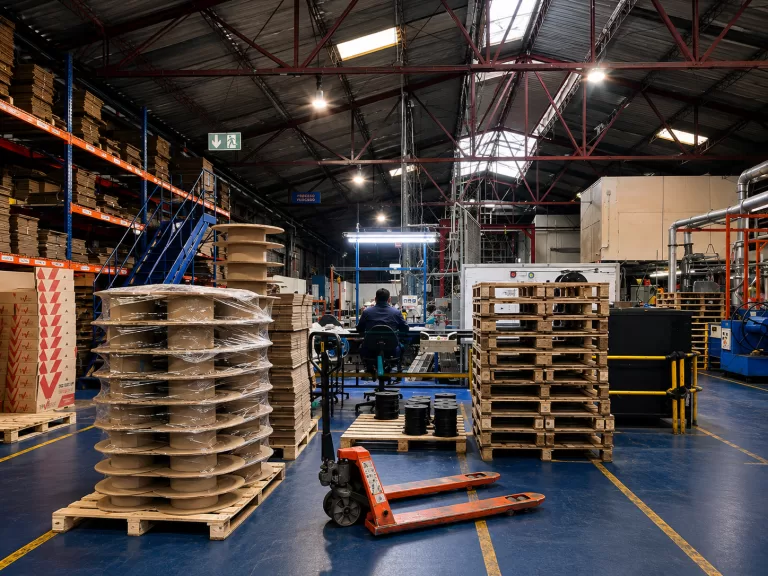
In building envelope applications, performance does not depend only on glass, aluminum, or the main structural components. A window, door, storefront, or facade system performs

When selecting a sealing solution, most attention is placed on the final product, its geometry, material, or application. Yet, the performance of a gasket often

In today’s construction, infrastructure, transportation, and industrial markets, companies need more than a supplier of rubber, silicone, and thermoplastic components. They need a technical partner
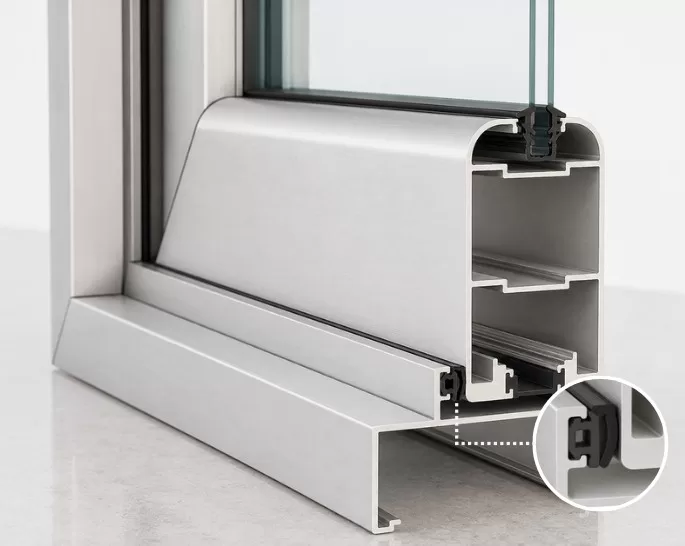
In high-performance sealing systems, the material is only part of the solution. The real value comes from how the material, geometry, hardness, and application requirements
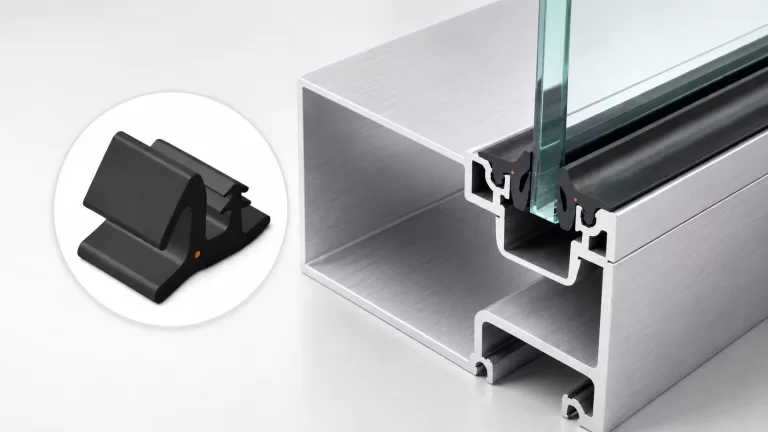
Technical Advantages, Materials, and Applications In demanding sealing applications, performance is often limited by one factor: dimensional stability over time. When a profile is exposed
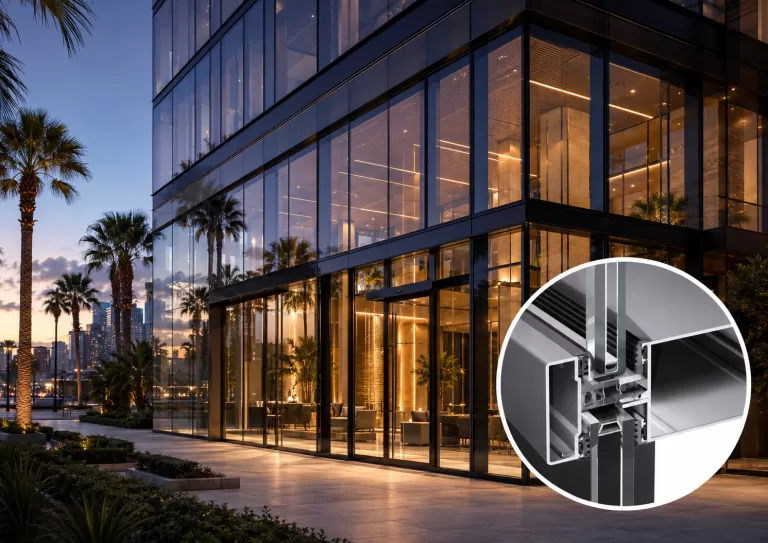
Modern glazing systems don’t fail because of “one big thing.” They fail at interfaces, where glass meets aluminum, where movement meets compression, and where UV
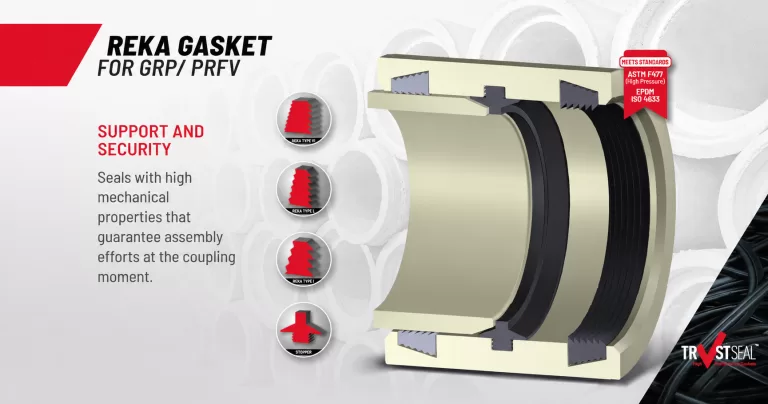
Engineers and utility managers invest significant resources specifying pipe material, diameter, and pressure ratings. Yet one of the most critical components in any pipeline system

In architectural glazing, sealing performance depends on more than profile shape. Long-term results are shaped by how the profile behaves under real conditions: compression, movement,